For a first launderette visit, confirm that the site offers self-service washing, check its payment and detergent arrangements, sort your laundry, and read the machine instructions before paying. Plan the drying as part of the same trip. There is no single procedure shared by every operator.
A shop described as a laundry may offer a staffed service rather than public machines. An outdoor machine bank may use a different payment system from an indoor launderette. Start with the actual site’s information, then use this checklist to fill the gaps.
Before travelling: choose the right service
Self-service means you operate the machines. A service wash usually means handing washing to staff under that business’s terms. Dry cleaning is another service again. Make sure you have found the service you want before carrying a bag across town.
Search our launderette directory by town and open the individual record. Read the source and checking notes alongside each fact. “Not confirmed” means you should ask the operator; it does not mean a facility is absent or available. The directory is a starting point for a useful conversation, especially when you need a particular machine or assistance.
Ask about opening hours and the last wash or dry start separately. A closing time does not promise that you can begin a full cycle shortly beforehand. If a machine is outdoors, also check any restrictions on accessing the host site. Leave room in the plan for waiting, sorting and folding.
- Is self-service available to the public at this branch?
- Which machine can take my load, particularly bedding?
- What payment methods work here today?
- Is detergent included, supplied separately, or brought by the customer?
- Can I dry only, and is help available when I plan to visit?
Pack and sort at home
Read garment labels and separate items with incompatible care instructions or colours. A commercial-sized washer does not remove those restrictions. Keep delicate or specialist items aside until you know the available programme is appropriate. The washing-symbol interpreter helps translate the label into words without guessing from the machine controls.
Empty pockets carefully. Remove loose objects and check that zips, fastenings and damaged areas are dealt with as the garment maker instructs. Pack suitable detergent only after checking the site’s system. Bring a clean bag for washed items so the journey home does not undo your preparation.
If you need a particular kind of access, ask specific questions: steps at the entrance, door width, aisle space, seating, machine controls and whether staff can help with loading. One broad “accessible” label cannot answer every person’s needs. Arrange any assistance with the operator directly and avoid assuming that a staffed business offers help at all times.
Understand payment and detergent
Some machines take coins; others use card terminals, contactless payment or other systems. A card symbol on one branch is not proof about another. Confirm the accepted methods and any minimum payment before travelling, especially if you have no alternative nearby.
Wash ME’s published instructions describe an example of touch-screen selection, electronic payment, and detergent included in the wash. This illustrates why bringing coins and pouring in your usual dose is not a safe universal method. Always follow the instructions on the machine you are actually using.
At the payment point, match the machine number with your washer or dryer. Check the selected cycle, price and options before completing the transaction. Keep the receipt or reference if available. If payment succeeds but the cycle fails, record the time and machine number and use the operator’s support route before paying again.
Choose a machine and load it correctly
Read the capacity and programme information. Do not pack the drum simply because more items will fit inside it. Different programmes can have different load limits, and bulky items need particular attention. If you are washing bedding, read our duvet washing guide before the trip.
Check the empty drum and surrounding area before loading. If you find damage, a fault message, or something that makes the machine unsuitable, tell staff or support and use another appropriate machine. Do not attempt repairs or operate equipment that the business has marked out of use.
Select a programme compatible with all the items in that load. Use detergent exactly as the machine and product instructions require. Close the door properly, follow the payment sequence and confirm that the machine has started. A countdown screen can help you plan your return to the drum, but it is not a reason to leave valuables unattended.
During the wash
Keep bags and belongings out of walkways, and leave machine controls accessible to other customers. Follow any site rules about remaining on the premises. If you step away where permitted, arrange to be back before the cycle ends. Do not assume a business accepts responsibility for unattended possessions.
Respect other customers’ loads and ask staff about their policy if a machine has finished and its owner is absent. Avoid moving someone else’s laundry on your own initiative. Clear your own machine promptly when the cycle ends so the next customer can use it.
If something goes wrong, describe what the display says rather than trying random controls. A photo of the error screen, where appropriate, plus the machine number and payment reference can make support simpler. Do not force a locked door or interfere with the equipment.
Drying: a separate choice
Check every item’s drying instructions before moving the load. Items washed together may need different drying methods. A tumble dryer setting labelled “high” is not permission to use high heat on a garment whose label forbids it. Remove anything unsuitable before loading.
Read the dryer’s capacity, payment increments and permitted use. Bosch’s drying guidance highlights programme choice and avoiding overloading for bulky items. Actual drying needs depend on the item, moisture remaining, programme and machine, so leave enough time to check the result.
Follow the operator’s instructions for filters and the end of a drying cycle; do not open service areas. Report a fault or unusual smell promptly. Electrical Safety First provides tumble-dryer safety guidance; manufacturer and operator safety instructions take precedence over attempts to finish quickly.
Plan the full cost
Write down the wash price, dryer charge and any detergent or optional service cost. If drying is sold in time blocks, allow for the possibility that one block will not complete your particular load. Include the cost of travelling if you are comparing two sites.
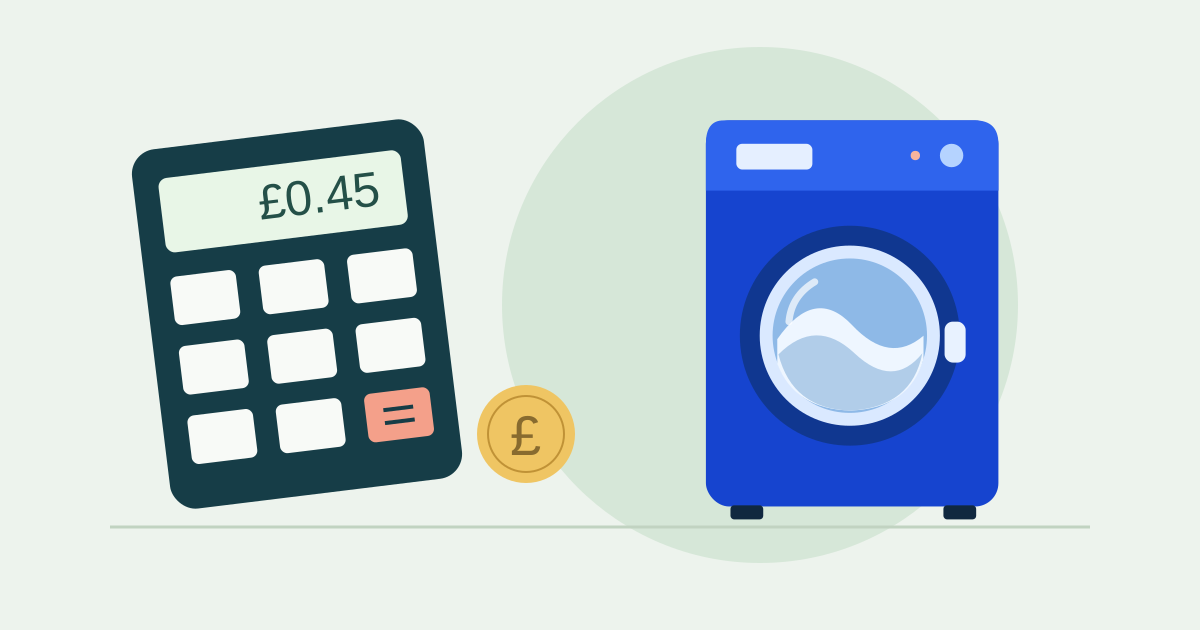
Use the laundry cost calculator with the prices you have actually checked. It can compare an assumed home load with a launderette visit. It cannot confirm machine availability, decide which fabrics can share a load or guarantee a drying time.
Finish and leave ready for next time
Check the drum for small items before leaving. Fold or pack in the designated area and use the clean return bag. Put rubbish in the appropriate bin, take your belongings and leave the space ready for the next user. Keep a note of which machine and programme suited your load.
If you notice incorrect information in our directory, use the correction route with the branch and source details. A current operator notice is more useful than an unsourced recollection. Details such as prices and hours can change even when a listing was accurate when checked.
First-visit questions
Do I need my own detergent?
Ask the branch. Some systems supply it automatically, others expect customers to bring or buy it. Do not add detergent to an automatic-dosing system unless its instructions tell you to.
Can I use only the dryer?
Many services may allow it, but confirm the operator’s policy, your item’s drying label and the current charge. Do not assume every laundry has public dryers.
How long should I allow?
Use the actual wash programme and dryer guidance, then add waiting and packing time. Ask about last-start rules; a generic estimate is no substitute for the branch’s closing arrangements.
Sources & further reading
- Wash ME: instructions for use ↗
- Wash ME: online help ↗
- Bosch: drying a duvet ↗
- Electrical Safety First: tumble dryers ↗
Sources checked 19 October 2026. General guidance; follow the item’s own label and manufacturer instructions.